
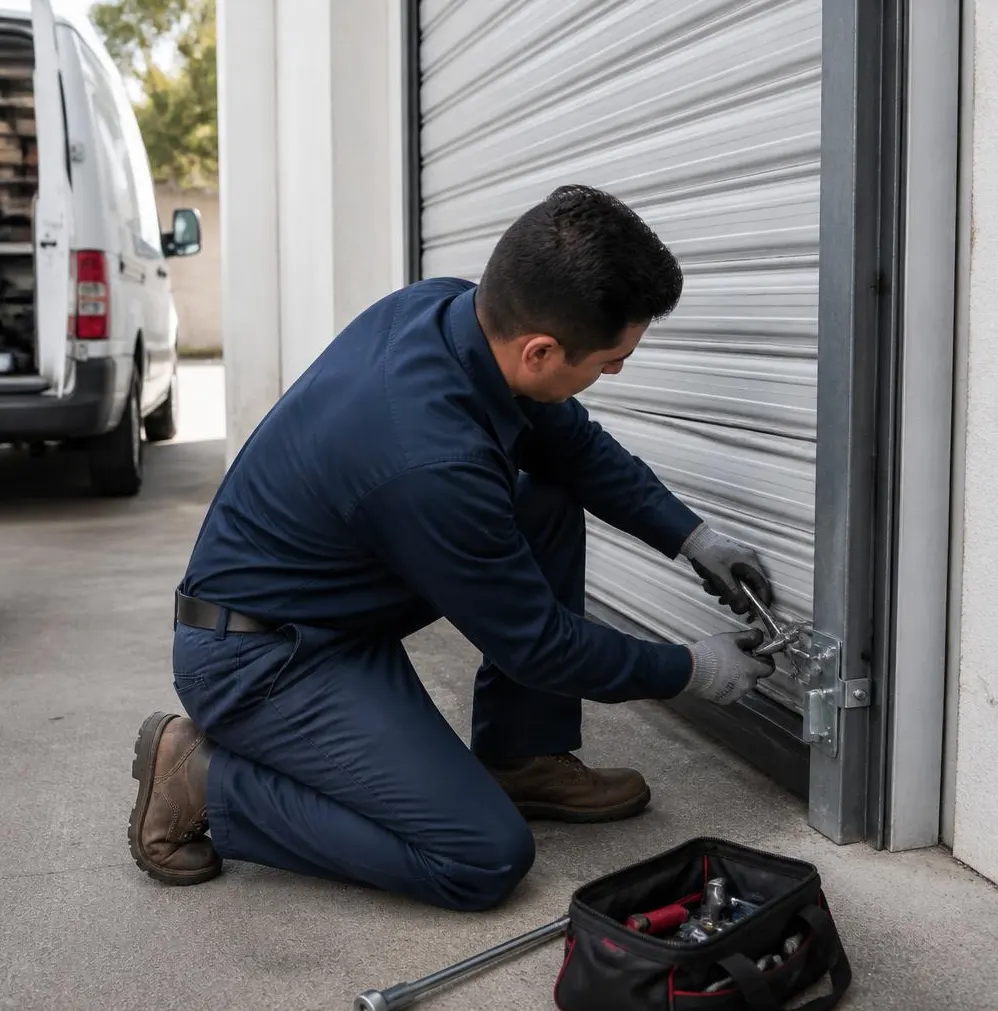
The Mistake Most Homeowners Make First
When a spring snaps, the first instinct is almost always the same: replace just the one that broke. The other spring still looks fine, it's not sagging or gapping, so why pay to replace something that isn't broken yet? It's a tempting shortcut because it cuts the bill roughly in half on the spot.
The problem is that garage door springs are almost always installed in pairs with matched wear. If one spring failed after years of opening and closing the door, the second spring has logged the exact same number of cycles under the exact same load. It's not far behind — it's often weeks or months from failing too. Replacing only one spring means paying for a service call twice instead of once, and in the meantime the door runs unevenly, putting extra strain on the opener and the remaining spring.
What Actually Drives the Price Up or Down
Spring replacement pricing isn't random. A few specific factors explain most of the difference between a modest bill and a much larger one.
- Spring type: Torsion springs (mounted on a shaft above the door) are more common on newer and heavier doors and typically cost more to replace than extension springs (mounted along the upper tracks), which are more common on older, lighter doors.
- Number of springs: Single-spring systems cost less than two-spring systems, simply because there's more material and more labor involved in a pair.
- Door size and weight: A standard single-car door needs less spring strength than a heavy double-car door, especially one with added insulation or a wood-look steel finish — more weight means a heavier-duty spring and a higher price.
- Cycle rating: Springs are rated by how many open-close cycles they're built to handle before wearing out. Higher-cycle springs cost more up front but last longer, which matters in a climate where doors get cycled through all kinds of weather year-round.
- Condition of related hardware: If the cables, drums, or end bearings show wear or rust, replacing them at the same time adds to the bill but avoids a second repair call soon after.
- Access and complexity: Older openers, unusual ceiling heights, or a jackshaft-style opener can add labor time.
- Timing: Emergency or same-day service, especially on a weekend or during a storm when a spring fails and the door won't open, usually costs more than a scheduled appointment.
National Cost Ranges (Not Local Quotes)
These are general ranges reported across the industry, not prices specific to any one area — actual cost depends heavily on the factors above.
- Single torsion spring replacement: roughly $150–$350
- Torsion spring pair replacement: roughly $250–$450
- Extension spring replacement (pair): roughly $100–$250
- High-cycle or heavy-duty torsion springs: add $50–$150 on top of standard pricing
- Added cable, drum, or bearing replacement: typically $20–$75 per part
Treat these as a starting point for comparing quotes, not a guarantee of what you'll be charged. A legitimate quote should always be based on your door's actual size, spring type, and condition — not a flat number given over the phone before anyone has looked at the door.
What a Proper Quote Should Include
A written estimate worth trusting should spell out more than just a total dollar figure. Look for:
- Whether one or both springs are being replaced, and why
- The spring type and cycle rating being installed
- Inspection notes on cables, rollers, and drums, with a clear call on whether they need replacing now or can wait
- Labor cost separated from parts cost
- Any warranty on the springs and the labor
- Confirmation that safety cables will be used — these keep a broken spring from whipping loose, which matters for anyone standing near the door when it fails
If a quote is just one number with no breakdown, ask what it covers before agreeing to anything.
Why Local Weather Shortens Spring Life Here
In the mid-Willamette Valley, months of rain and damp air take a toll on metal hardware that doesn't get noticed until a spring snaps. Moisture speeds up surface rust on spring coils, which creates friction points that wear the metal faster than a dry climate would. Ice storms and wind events also mean the door gets opened and closed more unpredictably — someone running out to move a car before a storm hits, or an opener working harder against wind pressure on the door panel. None of that shows up as a line item on an invoice, but it's part of why springs in this area often don't make it to the top end of their expected cycle life.
When to Call Silverton Garage Door Works
If your door is noticeably heavy to lift by hand, makes a loud bang followed by the door refusing to open, or one side looks visibly lower than the other, it's time to call rather than troubleshoot it yourself. Garage door springs are under serious tension and aren't a safe DIY repair. Silverton Garage Door Works handles spring replacement as a standard service call — we'll inspect both springs and the related cables and hardware, give you a written quote before starting any work, and handle the repair the same visit in most cases. If the opener is also struggling to lift the door, we can diagnose that at the same time rather than having you schedule a second appointment.
If a spring has failed or is showing signs of wear, call Silverton Garage Door Works for a straightforward inspection and quote — serving Silverton, OR and the surrounding Mt. Angel, Stayton, and Salem area.